
Reuse comes first
Before you book a collection, spend ten minutes asking whether the furniture can go to somebody who wants it. Reuse keeps items out of the waste stream, and it can save you effort if someone else collects it.
The trick is to keep the effort proportionate. If an item is in good shape, it is worth a photo and a short advert. If it is worn out, broken or unsafe, do not spend a week trying to find a home for it. Set yourself a cutoff date and stick to it.
Judging the condition honestly
Look at the furniture the way a stranger would. Clean it first, then check the following.
- Is it stable, with no wobble, broken legs or loose joints?
- Do drawers, doors and hinges work?
- Is the surface clear of deep damage, water rings, heavy scratches or burns?
- Are there any smells from smoke, damp, pets or mould?
- For upholstered pieces, are the covers intact and the cushions firm, with no rips or stains?
- Is it complete, with all the parts, fixings and shelves?
What charities generally accept
Practice varies from one charity to the next, so ring or check the website before you go. In general, furniture donations need to be clean, in good condition, safe to use and, for upholstered items, correctly labelled. Well made solid wood and flat pack pieces in good order are often more welcome than damaged or very bulky ones.
Many places will not take mattresses, items with rips or stains, or pieces that are too large to move. Some offer a collection service and some ask you to drop items off. Photos usually help when you enquire.
Selling online
Selling can be worth the bother for good quality or unusual pieces. Take clear photos in daylight, measure the item and give accurate details of any flaws. State clearly that the buyer collects, and agree a time in advance.
Use sensible precautions: keep messages on the platform, be careful about who comes to your home and do not release the item until you have been paid. If it does not sell after a couple of weeks, lower the expectation or move on. A sofa sitting in your hallway for a month is not saving anyone anything.
Clean it and photograph it
Show the whole item, the label and any damage.
Measure and describe it
Include dimensions, material and condition.
Set a collection deadline
Say the item goes if it has not been collected by a set date.
Have a fallback
Book a collection or a tip trip if it does not sell.
Fire safety labels on upholstered furniture
Upholstered furniture in the UK is covered by fire safety regulations, and items made or sold since the late 1980s should carry a permanent label showing that they meet the standard. Sofas, armchairs, headboards, cushions and some other padded pieces are affected. Do not cut the label off, and check for it before you offer anything for sale or donation.
The rules mainly concern people supplying furniture as a business, and they treat private sales differently, so check gov.uk for the current position. If a piece has no label, is very old or has been reupholstered, many charities and buyers will be cautious about accepting it. Disposal may then be the safer choice.
When disposal is the right call
Some furniture has reached the end. Broken frames, damp or mouldy upholstery, infested items, sagging beds and unlabelled or unsafe pieces should not be passed on. Passing on a problem is not doing anyone a favour.
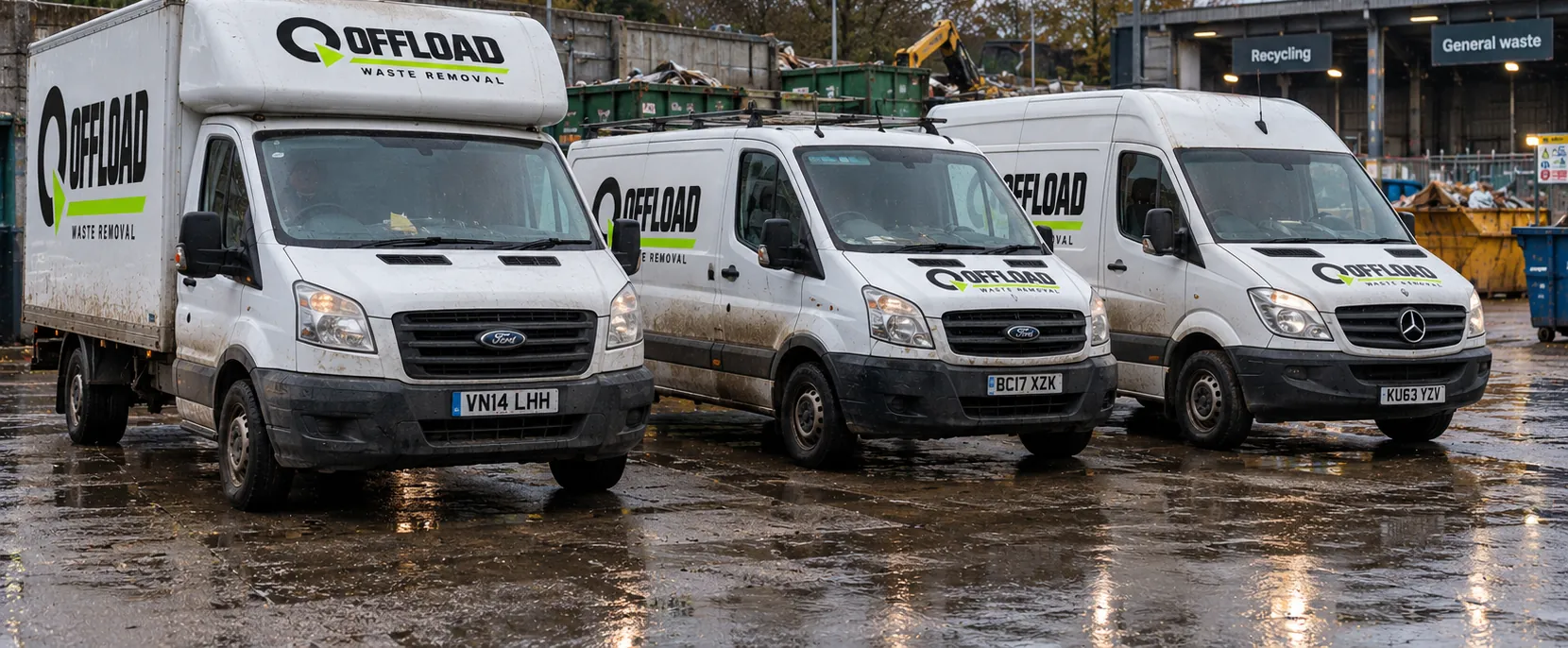
If that is the case, book a registered carrier and ask for a transfer note. Offload waste removal Leeds can collect furniture from the house, garage or upstairs room. Send photos and mention any mattresses or appliances, since those are confirmed on the quote.
Give reuse a fair chance, then set a deadlineTen minutes of honest checking, and a short cutoff, will tell you whether an item should go on or go out. After that, disposal is a perfectly good decision.
Questions
Can I donate a sofa without a fire label?
Many charities will not take upholstered items without one. Ask the charity first and check gov.uk for the rules, as they can differ between private and business supply.
Should I remove the label from my sofa?
No. Leave the permanent label attached, because buyers, donors and recyclers may want to see it.
Is it worth selling cheap furniture?
Only if it takes little effort. For low value pieces, a fast donation or collection is often more sensible than weeks of messages.
What if it is too heavy to move on my own?
Do not risk your back. Ask for help, take pieces apart or book a collection. Send photos and we will say what is possible.
Services that help
Bulky waste
Sofas, beds, wardrobes and large items taken from anywhere in the house.
See the serviceSofa removal
Old sofas carried out and away, up and down stairs.
See the serviceHouse clearance
Probate, void and downsizing clearances, room by room.
See the serviceLocal pages
- Waste removal in MorleyLS27
- Waste removal in GarforthLS25
- Waste removal in Cross Gates, Halton and ColtonLS15
More guides
- How a van waste removal quote is built in Leeds
- Using Leeds household waste recycling sites: who they suit
- Council bulky collection or private waste removal in Leeds?
- How to get rid of a sofa in Leeds
- Clearing a house after a death: a gentle practical guide
- End of tenancy clearance checklist for tenants and landlords
- Waste transfer notes and your duty of care
- What cannot go in a skip in Leeds, and why
- How to check a waste carrier is registered in Leeds
- Fly-tipping and your duty of care as a householder in Leeds
- Student move out rubbish in Leeds: a guide for tenants and landlords
- How to prepare for a house clearance in Leeds
- Clearing a loft safely: a practical guide for Leeds homes
- Clearing a flat in Leeds city centre: lifts, loading bays and timing
- What happens to your waste after a Leeds collection
- How much waste fits in a van load: a Leeds guide
- Clearing your home before you sell in Leeds
- Garden waste in Leeds: what to do with it
- Clearing a hoarded home with respect in Leeds
- Old sofas and flame retardant rules: what Leeds households should know